Readings in Maqāṣid al-Sharīʿah
Overview
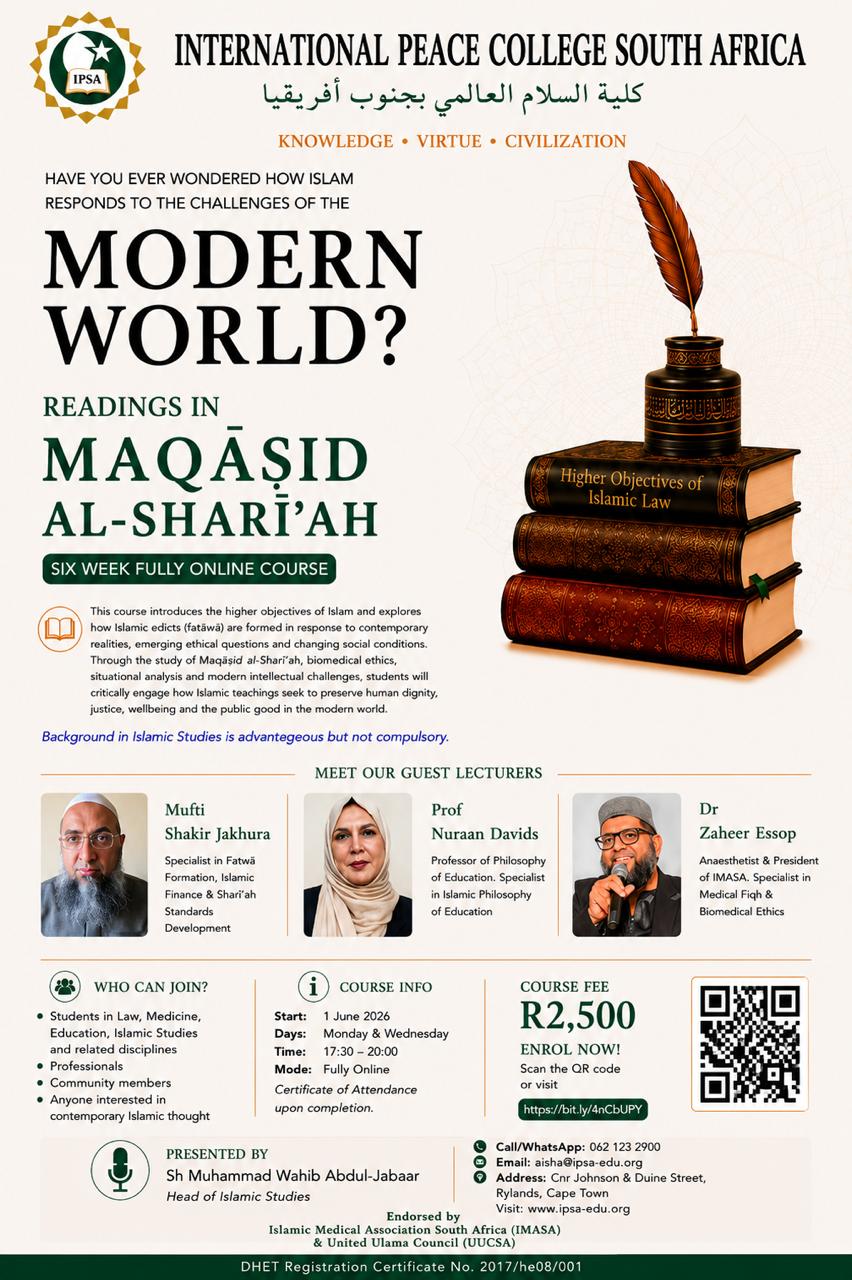
Readings in Maqasid is an intensive six-week course into the science of Maqāṣid al-Quraniyyah (the higher objectives of the Qur'an). Designed for professionals and students of Din, this 24-credit module is rooted in the fundaments of Islamic legal studies and the intellectual discursive discourse of Ijtihad and the formation of Fatwa at its core. Moving from theory to application, the course tackles the modern epistemological discourses: training scholars and professionals to navigate critical discourses in Islamic scholarship such as Biomedical Ethics, Education, etc.
Students in this course will study:
Part 1: Theological Theory: Establishing the epistemological foundations and the step-by-step matrix in Maqasid and Tajdīd (renewal) in contemporary times. This part of the course introduces a student to the introduction of Maqasid as a discipline and science within Islamic Law, framing theory, relevance and context as fundamental pillars in the development of Islamic legal opinions (or fatwa).
Part 2: Legal Adjudication: Students will examine how expert jurists (or Muftis), dissect, interpret, and balance textual authority with public welfare (Maṣlaḥah) to issue or form a legal ruling or Fatwa.
Part 3: Maqasid and Biomedical Ethics: In partnership with senior medical practitioners and Islamic Medical Association South Africa (IMASA), students will study real-life scenarios faced by Medical practitioners such as end-of-life care, life-sustaining treatments, and the clinical definition of death.
Part 4: Maqasid and Education: Students will study pedagogy through the lens of education and curriculum design to preserve the intellect.
About lecturer
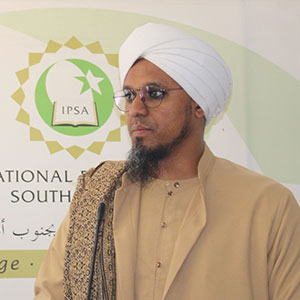
Shaykh Mohammed Wahib Abdul Jabaar
Maqāṣid al-Sharīʿah | Islamic Legal Theory | Ijtihād and Fatwā Formation
Shaykh Mohammed Wahib Abdul Jabaar is a scholar specialising in Maqāṣid al-Sharīʿah (the higher objectives of Islamic law), Islamic legal theory and contemporary Islamic thought. He serves as a Senior Lecturer at the International Peace College South Africa (IPSA), where he contributes to the development of Islamic scholarship rooted in tradition while engaging with contemporary realities.
As part of the Readings in Maqāṣid al-Sharīʿah module, Shaykh Mohammed Wahib guides students through the epistemological foundations of Maqāṣid, exploring how Islamic law moves beyond isolated rulings towards understanding divine wisdom, objectives and human welfare. His teaching focuses on the relationship between revelation, context, ijtihād (scholarly reasoning) and the formation of fatāwā (Islamic legal opinions) in addressing complex modern challenges.
Shaykh Mohammed Wahib began his traditional Islamic studies at Darul Uloom Zakariyya before furthering his studies internationally. He completed an intensive Arabic language programme at Ma’had al-Fath al-Islāmi in Damascus, Syria, together with specialised studies in Imāmah and Daʿwah at Ma’had and Kulliyyah Ahmad Kuftāru.
He later continued his advanced studies in Tarim, Hadhramaut, Yemen, where he studied the Shāfiʿī school of Islamic jurisprudence and various Islamic sciences at Ribāt Tarim and Dār al-Mustafā. During this period, he received ijāzāt (scholarly authorisations) in various Islamic disciplines.
In addition to his traditional training, Shaykh Mohammed Wahib holds a BA Honours specialising in Maqāṣid al-Sharīʿah and a Master’s degree in Applied Islamic Thought. He is currently pursuing his PhD at the University of the Western Cape.
Through his combination of classical Islamic scholarship and contemporary academic research, Shaykh Mohammed Wahib brings a unique perspective to the study of Maqāṣid al-Sharīʿah, equipping students to critically engage with Islamic legal reasoning, ethical questions and the application of Sharīʿah in modern society
Guest lecturers of the Course:
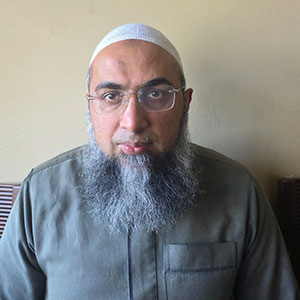 Mufti Shakir Jakhura
Fatwā Formation | Islamic Legal Reasoning | Islamic Finance and Contemporary Applications
Mufti Shakir Jakhura is a specialist in Islamic legal opinion writing (iftā’), Islamic finance and contemporary applications of Islamic law. His scholarship combines traditional Islamic legal training with modern legal and financial expertise, allowing him to engage with complex contemporary questions through the framework of Islamic jurisprudence.
As part of the Readings in Maqāṣid al-Sharīʿah module, Mufti Shakir explores the science and methodology behind the formation of fatāwā (Islamic legal opinions). His sessions examine how scholars approach new realities by engaging with revealed texts, legal principles, context and the higher objectives of Sharīʿah.
Mufti Shakir completed his ʿĀlimiyyah degree and specialisation in Islamic legal opinion writing (Iftā’) at Jamia Darul Uloom Karachi, Pakistan, where he studied under leading scholars including His Eminence Shaykh Muhammad Taqi Usmani.
He has served as a research assistant to Shaykh Muhammad Taqi Usmani, contributing to scholarly research, fatāwā, legal reviews, agreements and Islamic legal projects. He continues to contribute to an ongoing initiative focused on the codification of Islamic law into model codes. He also serves as co-editor of Al Balagh International, the monthly publication of Jamia Darul Uloom Karachi under the patronage of Shaykh Muhammad Taqi Usmani.
Professionally, Mufti Shakir serves as Senior Manager within the AAOIFI Shari’ah Standards Development Department, contributing to the development of global standards in Islamic finance. He is also the Director of the Centre for Islamic Economics and Finance in South Africa and serves as a part-time member of the Darul Ihsan Fatwa Department.
In addition to his traditional Islamic qualifications, Mufti Shakir holds a Master’s degree in Islamic Finance from INCEIF University, Malaysia and an LLM in Commercial Law from the University of London. He is currently pursuing doctoral studies in law, focusing on a comparative analysis between English contract and sale of goods legislation enacted in Pakistan and Islamic law.
His unique combination of classical training, fatwā expertise and contemporary legal scholarship provides students with insight into how Islamic legal principles are applied to emerging ethical, financial and societal challenges.
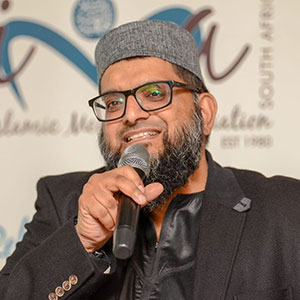 Dr Zaheer Essop
Biomedical Ethics | Medical Fiqh | Maqāṣid and Contemporary Healthcare
Dr Zaheer Essop is a medical doctor and anaesthetist based in Johannesburg, whose work bridges the fields of healthcare, Islamic jurisprudence and contemporary medical ethics. His expertise focuses on the application of Islamic legal principles to complex medical realities faced by healthcare professionals and communities today.
As part of the Readings in Maqāṣid al-Sharīʿah module, Dr Essop explores the relationship between Maqāṣid, medical decision-making and biomedical ethics. His sessions examine how the higher objectives of Sharīʿah provide a framework for engaging with contemporary healthcare questions, including the preservation of life, human dignity and ethical responsibility in medical practice.
Dr Essop completed his Hifdh al-Qur’an before pursuing his medical studies at the University of Pretoria. Alongside his medical career, he has developed a specialised interest in the intersection between medicine and fiqh (Islamic jurisprudence), studying medical fiqh through Al Balagh Academy in the United Kingdom.
He has completed specialised studies in various areas of medical fiqh, including intensive care (ICU), organ transplantation and reproductive medicine, engaging with the ethical and legal questions that emerge from advances in modern healthcare.
Dr Essop currently serves as President of the Islamic Medical Association of South Africa (IMASA), where he contributes to discussions on healthcare, ethics and the role of Islamic guidance within the medical field. He is also the National Coordinator of the FIMA Lifesavers Project, an initiative dedicated to teaching CPR and lifesaving skills within masājid and communities across South Africa.
Through his combined background in medicine, Islamic studies and community healthcare, Dr Essop offers students practical insight into how Maqāṣid al-Sharīʿah can guide ethical reflection and decision-making in contemporary medical practice.
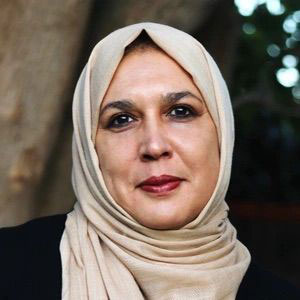 Professor Nuraan Davids
Islamic Philosophy of Education | Ethics | Maqāṣid and Human Development
Professor Nuraan Davids is a leading scholar in Philosophy of Education and serves as Chair of the Department of Education Policy Studies in the Faculty of Education at Stellenbosch University. She is an NRF-rated researcher whose work explores democratic citizenship education, Islamic philosophy of education and the philosophy of higher education.
As part of the Readings in Maqāṣid al-Sharīʿah module, Professor Davids explores education through the lens of ethics, human formation and the preservation of intellect (ḥifẓ al-ʿaql). Her sessions examine how Islamic educational thought engages questions of knowledge, moral responsibility and the purpose of learning within contemporary society.
Her academic work contributes to critical conversations on education beyond the transfer of information, focusing on how education shapes individuals, communities and ethical engagement with the world.
Professor Davids was a fellow at the Center for Advanced Study in the Behavioral Sciences at Stanford University (2020–2021). She is Co-Editor of the Routledge book series World Issues in the Philosophy and Theory of Higher Education, Co-Editor-in-Chief of the Journal of Education in Muslim Societies, Associate Editor of the South African Journal of Higher Education and serves on the Editorial Board of Ethics and Education.
Her contributions to teaching and research have received national and institutional recognition, including the NRF Research Excellence Award for Female Emerging Researcher, the Stellenbosch University Distinguished Teacher Award, the CHE/HELTASA National Excellence in Teaching and Learning Commendation, multiple Stellenbosch University Research Excellence Awards, the Media Thought Leader Award and the Stellenbosch University Chancellor’s Award for Research.
Through her expertise in Islamic philosophy of education, democratic citizenship, cosmopolitanism and pluralism, Professor Davids brings a critical educational perspective to understanding how Maqāṣid al-Sharīʿah informs knowledge, ethical development and the cultivation of responsible societies.
To register click below :
https://forms.office.com/r/YDcjebQ2md?origin=lprLink
For further information :
Aisha Adjiet
Application and Intake Officer
Contact : 0621232900
Email : This email address is being protected from spambots. You need JavaScript enabled to view it.
Visit : www.ipsa-edu.org
 Donate